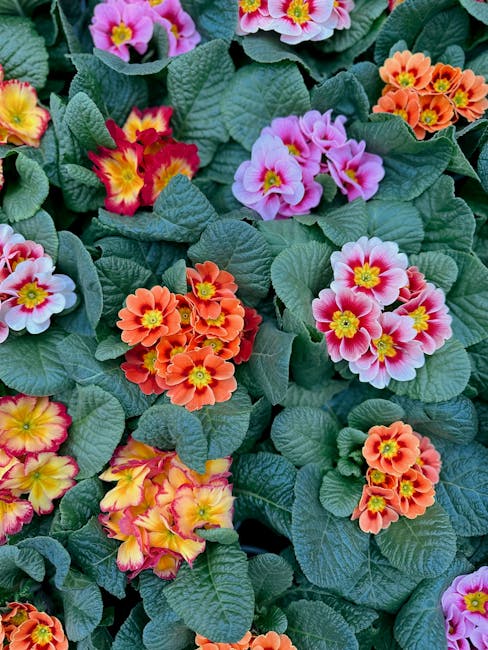
NW1 terrace gardeners top planting and maintenance tips

Terrace gardening in NW1 looks simple from the outside: a few pots, a climbing plant, maybe a compact bench and a watering can by the back door. But anyone who has actually tried to keep a terrace planting scheme looking good through a London summer, a wet autumn, and a surprisingly sharp winter knows the truth. Small spaces can be fussy. They dry out fast, get battered by wind, and can feel cramped before you've even planted the second container.
That is exactly why NW1 terrace gardeners top planting and maintenance tips matter. The right planting choices, the right containers, and a sensible maintenance routine can turn a terrace from a patchy afterthought into a space that looks calm, lived-in, and genuinely useful. In this guide, you'll find practical planting advice, maintenance habits that actually stick, and the little details that make the difference between "nice enough" and "properly looked after".
For readers who want support beyond DIY, a full garden maintenance service can take the pressure off busy periods, while landscaping help is often useful if your terrace needs structure before planting begins.
- Why it matters
- How it works
- Key benefits
- Who it is for
- Step-by-step guidance
- Expert tips
- Common mistakes
- Tools and resources
- Law, compliance and best practice
- Options and comparison
- Real-world example
- Practical checklist
- Conclusion
- Frequently asked questions
Why NW1 terrace gardeners top planting and maintenance tips Matters
Terraces in NW1 face a pretty specific set of conditions. You often get reflected heat from brickwork, pockets of shade from neighbouring buildings, gusty wind channels between houses, and less soil depth than a standard garden. Add in the reality of container planting and suddenly the basics matter a lot more than they do in a larger plot.
The main reason these tips matter is simple: terrace planting has less room for error. A plant in a border can usually stretch its roots, search for moisture, and recover from a rough week. A plant in a pot on a terrace has to deal with whatever you give it. Too much water, too little drainage, thin compost, not enough feeding, and it will show. Fast.
There's also the visual side. Terrace gardens are often seen from a kitchen door, a small sitting area, or an upper-floor window. That means layout, height, and year-round structure matter just as much as blooms. A good terrace plan gives you something attractive in February, not only in June. And let's face it, that's usually when people need the lift most.
In practical terms, strong terrace planting helps with privacy, softens hard surfaces, and makes a compact outside space feel more welcoming. It also reduces the frustration that comes from constant replanting. If you've ever bought three lovely plants in spring only to have two sulk by midsummer, you'll know what I mean.
How NW1 terrace gardeners top planting and maintenance tips Works
Good terrace gardening is really a mix of design, plant choice, and routine care. The planting scheme should match the conditions first, then the maintenance plan should keep it stable. That sounds obvious, but people often do it the other way round: they buy plants they like, then try to force them into the wrong spot. Usually that ends in disappointment.
The process works best when you think in layers:
- Structure: pots, planters, trellis, screening, and permanent focal plants.
- Seasonal interest: flowers, foliage, herbs, and bulbs that change through the year.
- Maintenance rhythm: watering, feeding, deadheading, pruning, and cleaning.
For a terrace in NW1, the planting palette should be chosen for resilience. That means considering wind exposure, sun and shade balance, and how much time you realistically have. A busy household might do better with evergreen shrubs, tough perennials, and a few carefully chosen annuals rather than a high-maintenance display that needs constant attention.
Maintenance is not about fussing over every leaf. It's about keeping the essentials stable: moisture, drainage, nutrition, shape, and health. If those five things are in order, the terrace usually behaves itself. Usually.
Key Benefits and Practical Advantages
A well-planned terrace garden brings more than visual appeal. It changes how the space feels day to day. In a compact NW1 setting, that matters a lot.
- Better use of limited space: Vertical planting, layered pots, and trained climbers make a terrace feel bigger without crowding it.
- Lower plant loss: Selecting plants for the actual conditions reduces failures and replacement costs.
- More year-round interest: A balanced scheme keeps the terrace looking alive through winter, not just in summer.
- Less maintenance stress: A sensible routine prevents "catch-up gardening", which is usually when plants get neglected.
- Improved privacy and comfort: Screens, climbers, and taller pots can soften overlooking windows and busy sightlines.
There's also a subtle emotional benefit. A tidy, healthy terrace can make a home feel more settled. You notice it on ordinary mornings: the rosemary smells stronger after rain, the gravel feels neat underfoot, the pots are still holding their shape despite the weather. Small thing, but it adds up.
Where a terrace needs a fresh start, a seasonal tidy-up or clearance can help. Many people begin with garden clearance before rebuilding with better planting, better drainage, and better spacing. If you're weighing up cost versus scope, you can also review pricing and quotes to plan the work sensibly.
Who This Is For and When It Makes Sense
This advice is for anyone managing a terrace, balcony-style outdoor space, or compact urban garden in NW1. It is especially useful if your garden sits above ground level, gets wind from multiple directions, or has hard landscaping that heats up in summer.
You'll get the most value from these tips if you:
- have containers that dry out quickly in hot weather;
- want the terrace to look good without constant replanting;
- need privacy from neighbouring windows;
- are new to terrace planting and want a low-risk starting point;
- already garden but want a more reliable routine;
- need help making a small space feel calmer and less cluttered.
It also makes sense if you're preparing a property for letting or sale and want the outdoor area to feel more polished. You do not need a grand design. In fact, with terraces, restraint often works better than trying to cram in everything at once.
If you prefer professional support, it can be useful to look at the broader services overview and decide whether you need one-off help, regular maintenance, or a more joined-up landscaping approach.
Step-by-Step Guidance
Here's a practical way to approach terrace planting and maintenance without making it harder than it needs to be.
1. Start with the site, not the shopping list
Before buying plants, stand on the terrace at different times of day. Notice where the sun lands in the morning and late afternoon. Check where wind tunnels through. Look for spots that stay damp after rain and places that dry out almost instantly. That simple observation saves a lot of money.
2. Choose containers with enough depth
Shallow pots are one of the most common terrace mistakes. They look smart for about two weeks, then the plants struggle. Deeper containers give roots more room and help hold moisture. For most terrace schemes, mix a few larger planters with smaller accent pots rather than making everything the same size.
3. Build drainage into the plan
Terraces can suffer from water pooling, especially on paved surfaces. Use pots with drainage holes, raise them slightly off the ground where needed, and avoid leaving saucers full of water for long periods. A plant that sits wet all winter is living on borrowed time, frankly.
4. Pick plants that suit NW1 conditions
For exposed terraces, choose resilient plants rather than delicate ones that need perfect shelter. A good mix often includes evergreen structure, seasonal colour, and herbs or scented planting near seating areas. If you want climbers, make sure the support is solid and the plant suits the light available.
5. Plant in layers
Think tall, medium, and low. This creates depth even in a small footprint. A taller evergreen or trained climber at the back, medium shrubs or grasses in the middle, and trailing or compact plants at the front can make a terrace feel much more balanced.
6. Water with intention
Watering should be thorough, not lazy. Give containers a proper soak until water drains through, then let the top layer dry slightly before watering again. In hot spells, morning watering usually works best. Evening watering can help too, but don't leave leaves wet all night if you can avoid it.
7. Feed and refresh regularly
Container plants use up nutrients faster than border plants. A liquid feed in the growing season, plus fresh compost and top-dressing when needed, keeps them stronger. If a plant looks tired by mid-season, the problem is often nutrition rather than disease. Not always, but often.
8. Prune, deadhead, and tidy in small bursts
Terrace gardens are easier to manage when you do a little often. Remove spent blooms, trim straggly growth, and clear fallen leaves before they build up. A five-minute tidy while the kettle boils can do more than a whole "garden day" that never quite happens.
9. Review the scheme at the end of each season
Ask what worked, what sulked, and what simply took up space. Maybe one planter got too much shade. Maybe a climber outgrew its support. Maybe the area near the door needs something lower so it doesn't feel cramped. Small adjustments make next year easier.
Expert Tips for Better Results
Once the basics are in place, the details start to matter. These are the bits that experienced terrace gardeners tend to notice first.
- Use repetition for calm: repeating the same pot material, leaf shape, or flower colour helps a small terrace feel coherent rather than cluttered.
- Group pots by watering need: thirsty plants together, drought-tolerant plants together. It saves time and avoids accidental overwatering.
- Watch for reflected heat: brick walls and nearby paving can scorch leaves. A plant happy in open shade may not enjoy a south-facing wall at all.
- Secure tall plants properly: terrace wind can snap stems or tip containers. Use stout supports and heavier planters where needed.
- Choose fragrance near seating: thyme, lavender, mint, and jasmine can make the terrace feel more personal, especially on warm evenings.
- Plan for winter visuals: evergreens, berries, seed heads, and decorative grasses keep structure when flowers are gone.
A good rule of thumb: if a plant needs too much babying in week one, it may become a hassle by week ten. To be fair, sometimes you fall in love with a plant anyway. We've all done it. But knowing the trade-off helps.
If your terrace includes hedging, screens, or climbers that need regular shaping, a professional hedge trimming service can keep lines neat without overcutting growth. For larger woody plants or awkward overhangs, tree lopping and removal may also be part of the wider maintenance picture, especially where light is being blocked.
Common Mistakes to Avoid
Most terrace problems are predictable. That is actually good news, because predictable problems are easier to fix.
- Choosing plants for looks only: a plant that looks lovely in a nursery may be completely wrong for your wind, light, or watering pattern.
- Using too many tiny pots: they dry out quickly and make the terrace feel busy in a bad way.
- Ignoring drainage: root rot can creep in quietly, especially after wet weather.
- Overcrowding: plants need airflow. Without it, you get congestion, mildew, and a general feeling of mess.
- Forgetting winter damage: frost, wind, and prolonged wet can be just as hard on containers as summer heat.
- Skipping routine maintenance: one neglected month on a terrace can undo a lot of hard work.
Another mistake is treating the terrace like a mini lawn or border. It isn't. It behaves more like a managed collection of small environments. Once you accept that, your decisions get better very quickly.
If the area has become clogged with old pots, broken canes, dead annuals, or odds and ends that somehow multiplied overnight, a proper tidy through garden clearance can reset the space so planting starts from a cleaner base.
Tools, Resources and Recommendations
You do not need a van full of equipment to manage a terrace well. A focused kit is better. More manageable. Less clutter in the shed, if you're lucky enough to have one.
| Tool or item | Why it helps | Best use on a terrace |
|---|---|---|
| Sturdy watering can or hose with controlled flow | Gives consistent watering without flooding pots | Container plants, herbs, hanging planters |
| Quality compost | Supports root growth and nutrient retention | New planting, top-ups, seasonal refreshes |
| Secateurs | Useful for deadheading and light pruning | Perennials, climbers, shrubs |
| Plant supports and ties | Protects taller plants from wind damage | Climbers, decorative grasses, taller perennials |
| Mulch or decorative top dressing | Helps reduce evaporation and tidies the look | Large pots and grouped containers |
For maintenance planning, a regular schedule is more valuable than occasional enthusiasm. If you know you struggle to keep on top of trimming, feeding, or seasonal refreshes, booking ongoing garden maintenance can be a practical way to protect the planting investment you've already made.
And if your terrace is being redesigned, it can help to pair planting with hardscape choices like decking services or a more complete landscape gardening plan. That gives the planting a proper framework instead of leaving it to fend for itself on a blank surface.
Law, Compliance, Standards, or Best Practice
Terrace gardening is usually low risk, but there are still sensible standards to keep in mind. In shared buildings, flats, and maisonette terraces, it is wise to check lease conditions, building rules, and any shared-access arrangements before making structural changes or installing heavy features. That's not glamorous, I know, but it avoids awkward conversations later.
From a practical safety perspective, heavy planters should be positioned carefully so they do not block access routes or create trip hazards. Wind exposure can make tall objects unstable, so secure them properly. If watering creates runoff, make sure it doesn't become a slipping problem on paving or decking.
For any work involving ladders, lifting, cutting, or removal of larger growth, sensible safe working practice matters. If you are hiring help, ask about insurance and how the work is carried out. A reputable provider should be able to explain this clearly, and you can review their approach through insurance and safety information, plus any published health and safety policy.
Sustainability is also part of best practice now. Compost reuse, responsible green waste handling, and choosing longer-lived plants all help reduce waste over time. If that matters to you, the site's recycling and sustainability page is worth a look.
Options, Methods, or Comparison Table
Different terrace setups need different approaches. Here's a simple comparison to help you decide what fits your space and routine.
| Method | Best for | Pros | Trade-offs |
|---|---|---|---|
| Low-maintenance evergreen scheme | Busy households, shaded terraces, year-round structure | Reliable, tidy, less frequent replanting | Less seasonal colour unless layered carefully |
| Mixed seasonal container planting | People who enjoy changing displays | Colourful, flexible, lively through spring and summer | Needs more watering, feeding, and refresh work |
| Screened terrace with climbers | Overlooked spaces needing privacy | Softens boundaries, adds height, good visual impact | Requires support, pruning, and training |
| Design-led hardscape plus planting | Terraces needing a strong layout or renovation | Creates structure and easier maintenance long term | Higher upfront planning effort |
If you're torn between a quick refresh and a more substantial reset, think about your real habits, not your ideal ones. The best terrace is usually the one you can keep looking good in a normal week, not just on a perfect Saturday afternoon.
Case Study or Real-World Example
Here's a typical NW1-style terrace scenario. A small outdoor space had a few mismatched pots, a tired climber, and a couple of plants that were clearly fighting the wind. The owner wanted more privacy and less mess, but also didn't want a garden that demanded constant attention.
The solution was straightforward: a deeper set of planters for structure, one evergreen shrub for year-round form, a couple of pollinator-friendly perennials for colour, and a climber trained onto a sturdier support. The smallest pots were removed, the drainage improved, and the planting was grouped so the thirsty plants sat together. Nothing dramatic. Just sensible.
Within a season, the space felt calmer. Watering became easier because the containers had been organised properly. The terrace looked fuller without feeling crowded. And on a mild evening, with the scent of herbs near the seating area and the soft rustle of leaves against the brickwork, it finally felt like part of the home rather than a leftover corner.
That is the real win with terrace gardens. Not perfection. Just a space that works, looks good, and doesn't constantly ask for rescue.
Practical Checklist
Use this checklist before you plant, and then again at the start of each season.
- Have I checked sun, shade, wind, and exposed corners?
- Are my containers deep enough and fully draining?
- Do my plants suit the terrace conditions, not just my taste?
- Have I grouped plants by watering needs?
- Is there enough room for airflow between pots?
- Do I have supports ready for taller or climbing plants?
- Is there a plan for feeding during the growing season?
- Have I allowed for winter structure and not just summer colour?
- Do I know which plants need deadheading, pruning, or dividing?
- Have I cleared out broken, overcrowded, or struggling plants?
If you can tick most of those off, you are already ahead of many terrace gardens. Honestly, that alone makes a huge difference.
Get a free quote today and see how much you can save.
Conclusion
Terrace gardening in NW1 is less about having lots of space and more about using the space intelligently. Once you understand the local conditions, choose the right containers, and keep to a realistic maintenance rhythm, the whole thing gets easier. And better looking too.
The best results usually come from small, consistent actions rather than dramatic overhauls. Water properly. Feed when needed. Prune lightly but regularly. Keep the planting balanced. Then step back and let the terrace do its job: soften the hard edges, bring life to the view, and give you a place that feels calm at the end of a long day.
If you want the kind of terrace that stays attractive without becoming a second job, these are the habits worth keeping. Simple, sensible, and surprisingly effective. A bit of patience helps as well. That part never hurts.
Frequently Asked Questions
What are the best plants for an NW1 terrace garden?
The best plants are usually those that can cope with wind, container life, and changing light. Evergreen structure, tough perennials, herbs, ornamental grasses, and a few seasonal flowers often work well together. The exact mix depends on whether your terrace is sunny, shaded, or exposed.
How often should I water terrace plants?
It depends on the weather, pot size, and plant type. In warm or windy periods, containers may need watering daily. In cooler weather, you may only need to check every few days. The key is to water deeply when needed rather than giving small token amounts.
Why do terrace plants dry out so fast?
Containers have limited soil, which means they lose moisture faster than border plants. Sun, wind, and heat from brick or paving make this worse. Larger pots, mulching, and grouping plants can all help slow down water loss.
How can I make a small terrace look fuller?
Use layering, repetition, and vertical elements. Taller plants at the back, medium planting in the middle, and trailing plants in front create depth. Trellis, climbers, and matching pot styles also help a small terrace feel more unified.
Do terrace gardens need more maintenance than regular gardens?
Often, yes. Container plants usually need more regular watering and feeding than plants in the ground. But a well-designed terrace can still be low maintenance if you choose the right species and keep to a simple routine.
What is the easiest way to keep terrace plants healthy?
Start with the right pot, good drainage, and suitable compost. Then water consistently, feed during the growing season, and remove dead or damaged growth before it spreads. A little care done often is better than occasional heavy-handed fixes.
Can I grow vegetables on a terrace in NW1?
Yes, if you have enough light and the right containers. Herbs, salad leaves, tomatoes, and compact fruiting plants can work well in pots. Just remember that edible plants usually need more feeding and more regular watering than ornamental ones.
How do I protect plants from wind on a terrace?
Use heavier pots, place more delicate plants behind stronger ones, and add screening where appropriate. Climbing plants and trellis can also help soften gusts. Avoid very top-heavy arrangements unless they're well secured.
When should I prune terrace shrubs and climbers?
It depends on the plant. Some need light pruning after flowering, others prefer shaping in late winter or early spring. If you're unsure, it's safer to make small cuts and avoid heavy pruning until you've identified the plant correctly.
Is professional help worth it for a terrace garden?
If you want a cleaner layout, healthier planting, or regular upkeep without the stress, yes, it can be worth it. Professional help is especially useful where space is tight, access is awkward, or the terrace needs a more considered design.
What should I do with tired or overcrowded pots?
Remove dead material, divide crowded plants if suitable, refresh the compost, and decide whether the pot still belongs in the scheme. Sometimes a full reset is the best option. It's surprising how much better a terrace feels after a proper clear-out.
How do I start if my terrace has been neglected?
Begin with clearance, assess light and drainage, and keep the first planting round simple. Choose a few reliable plants rather than trying to fill every gap at once. Once the basics are stable, you can add more detail over time.